Solid Deck Stain Colors: What They Are, Where They Work, and What You Need to Know Before You Buy
Solid deck stain is the most popular finish at most paint counters, and there’s a reason for that. It covers a lot of ground — literally and figuratively. But before you grab a gallon and start rolling, it’s worth understanding exactly what you’re getting into. A solid stain is a long-term commitment. The right deck gets better with it. The wrong deck gets stuck with it.
This page will walk you through how solid deck stains work, what colors are available, the real tradeoffs involved, and how to know whether it’s the right choice for your situation. No sales pressure. Just what you actually need to know.
Table of Contents
- What Is a Solid Deck Stain?
- How Solid Deck Stain Color Works
- The Full Color Range
- Where Solid Stain Makes Sense
- The Honest Tradeoff
- The Reapplication Problem
- Frequently Asked Questions
- Sources & References
What Is a Solid Deck Stain?
A solid deck stain is a heavily pigmented coating that forms a film on the surface of the wood. Unlike a penetrating stain that soaks into the wood fiber, a solid stain sits on top of the wood and hides the grain beneath a uniform layer of color. It behaves more like paint than like a traditional stain.
Solid stains come in two main formulas: water-based latex and oil-based alkyd. Both create an opaque, paint-like finish. Water-based formulas have become the industry standard in recent years because they dry faster, clean up with water, and hold their color well. Oil-based formulas penetrate slightly deeper before forming their surface film, which some applicators prefer for older or more weathered wood.
The key distinction to understand: solid stain is a surface coating. It does not feed or protect the wood from within. It protects the wood by covering it.
How Solid Deck Stain Color Works
The color in a solid deck stain comes from concentrated pigment — the same kind used in exterior house paint. Because the pigment load is high and the formula is opaque, the color you see on the chip is very close to the color you get on the deck. There is little guesswork.
This predictability is one of solid stain’s genuine strengths. If you want a slate gray deck or a deep barn red and you want it to look exactly that way regardless of the wood underneath, solid stain delivers that. The wood’s natural variation — knots, grain patterns, color differences between boards — disappears beneath the finish.
Most major manufacturers offer solid deck stain in their full exterior color palette, often 100 colors or more. Many can also be custom-tinted at the store to match a specific color chip.
Common Solid Deck Stain Color Families
The most popular solid deck stain colors fall into a few broad families:
- Warm browns and tans — Cedar, redwood, and teak tones that suggest natural wood without showing real grain.
- Grays — From pale driftwood to deep charcoal, gray decks have been the dominant trend for over a decade.
- Classic whites and off-whites — Popular for coastal homes and farmhouse-style exteriors.
- Bold colors — Navy, black, deep green, or barn red for homeowners who want the deck to make a statement.
Where Solid Deck Stain Makes Sense
Solid stain is not the wrong choice for every deck. There are situations where it is genuinely the right tool.
Older Decks with Significant Weathering or Damage
If the wood is weathered, grayed, cracked, or has visible repairs, solid stain hides the damage cleanly. There’s no point in a finish that highlights grain if the grain isn’t worth highlighting. On a deck that has seen better days, solid coverage gives it a fresh, uniform appearance that a transparent or semi-transparent stain simply cannot provide.
Pressure-Treated Pine Already Coated with Solid Stain
If your deck has already been solid-stained, you are largely committed to that path. Switching to a transparent or penetrating finish over a previously solid-stained surface is not practical — the old pigment has bonded to the wood and will not allow a lighter finish to perform as intended. Maintaining what is already there is often the most sensible course.
Decks Where Appearance Matters More Than Wood Preservation
Some homeowners simply want the deck to match the house trim, match a color scheme, or look a particular way. If the aesthetic goal takes priority over showing the natural character of the wood, solid stain is the most reliable way to achieve a specific, consistent color.
The Honest Tradeoff: What Solid Stain Costs You Over Time
Here is where the conversation gets important. A solid stain performs well in the short term. In the first year or two, a well-applied solid stain looks clean, holds its color, and does its job. The problems begin as the film starts to fail.
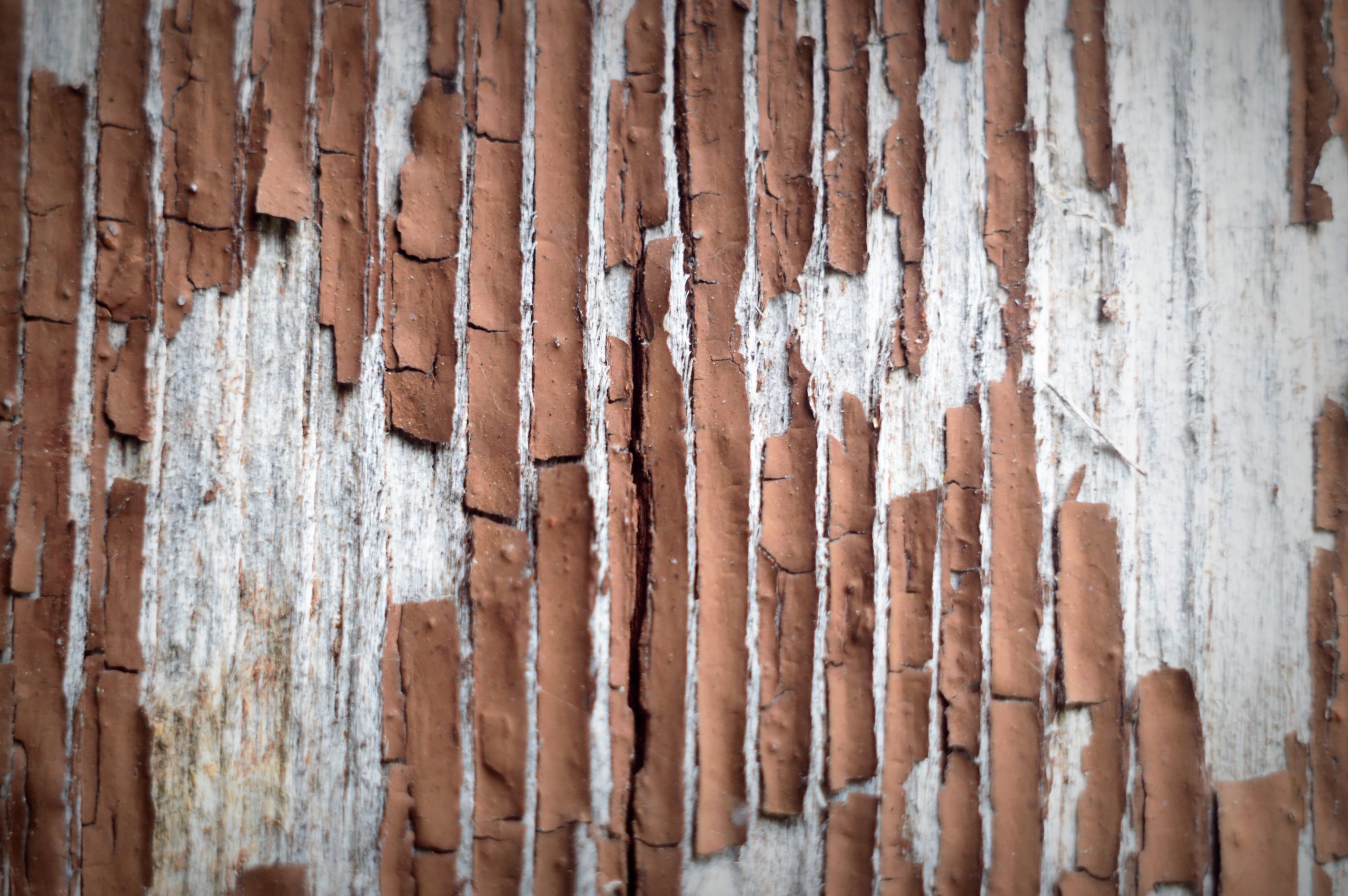
Because solid stain forms a film on the surface rather than penetrating the wood, it is vulnerable to the same forces that affect all surface coatings: moisture, expansion, contraction, and foot traffic. Over time — typically two to four years in a climate with real seasons — that film begins to crack and peel.
Cracking and peeling is not just an aesthetic problem. Once the film breaks, moisture gets underneath it. Trapped moisture accelerates the very wood degradation the stain was meant to prevent. The finish that was protecting the wood begins to work against it.
The Reapplication Problem: Why This Matters More Than Most People Realize
With most penetrating deck finishes, reapplication is straightforward. Clean the surface, let it dry, apply a fresh coat. The new finish integrates with the old because both are in the wood.
Solid stain does not work that way. Once a solid stain film begins to crack and peel, applying a fresh coat on top of the failing film does not fix the problem — it buries it temporarily and then peels again, often faster. The correct preparation for recoating a peeling solid-stain deck is to strip the old finish down to bare wood.
Stripping a deck is hard work. It involves chemical strippers, pressure washing, and often manual scraping. On a large deck it can take a full weekend and several hundred dollars in materials before you apply a single drop of new stain. Many homeowners do not realize this when they make their initial finish selection.
This is not meant to frighten you off solid stain entirely. It is simply the full picture. A penetrating oil finish requires maintenance too — but that maintenance is usually far simpler. Reapplication is the price of entry for any deck finish. The question is what that price looks like five years from now.
The most common regret we hear from deck owners isn’t that they chose the wrong color. It’s that they chose the wrong finish type. Color is easy to live with. A finish that cracks, peels, and then requires a full strip before you can move on — that’s a harder thing to live with. Take your time on this decision.
Frequently Asked Questions About Solid Deck Stain Colors
How long does solid deck stain last?
Most solid deck stains are rated for two to five years depending on the climate, the wood species, the level of foot traffic, and how well the surface was prepared before application. Decks in harsh climates — with wide temperature swings and significant moisture — tend to sit at the lower end of that range.
Can I apply solid stain over old solid stain?
If the existing solid stain is fully intact — no cracking, no peeling, still bonded firmly to the wood — a fresh coat can be applied over it after proper cleaning. If the existing finish is failing in any areas, those areas need to be stripped before recoating. Applying new finish over failing finish shortens the life of the new coat significantly.
What is the difference between solid deck stain and deck paint?
Deck stain — even solid stain — is formulated to flex slightly with the wood as it expands and contracts. Deck paint is a harder, less flexible film. Both cover the grain and both peel when they fail, but a true deck stain is generally more durable underfoot and better suited to horizontal surfaces than standard exterior paint.
Is solid stain better than semi-transparent stain?
It depends entirely on the condition of your wood and what you want the finished deck to look like. Solid stain is better at hiding imperfections and delivering consistent, predictable color. Semi-transparent stain is better if you want to see some of the wood’s natural grain — but it still introduces pigment into the finish, which can produce a cloudy or muddy appearance as it weathers. Neither is a universal winner. Your wood tells you which direction to go.
What is the best solid deck stain?
Performance varies by brand, but the most important variable is usually the application — proper prep, the right conditions, and consistent coverage matter more than brand differences at the top end of the market. That said, if your wood is in good condition and your goal is to let it look like wood, a penetrating timber oil finish is worth serious consideration before you commit to a solid film finish.
Sources & References
- U.S. Forest Service — “Wood Handbook: Wood as an Engineering Material” — Forest Products Laboratory, 2021
- U.S. Department of Housing and Urban Development — “Protecting Wood” — HUD PATH Technology Transfer, 2006
- Forest Products Laboratory — “Weathering of Wood” — General Technical Report FPL-GTR-190, USDA, 2010
- American Coatings Association — “Exterior Wood Coatings” — Industry Technical Reference, 2019
- Related on this site — “Semi-Transparent Deck Stain Colors” — DeckStainColors.com
- Related on this site — “Transparent Deck Stain Colors and Toners” — DeckStainColors.com