Transparent Deck Stain Colors: The Clear Choice for Wood That Deserves to Be Seen
If you have spent any time researching deck finishes, you have probably noticed that most of the conversation revolves around color — which shade of brown, how much gray, how bold or how neutral. That’s understandable. Color is what you see every day.
But the homeowners who end up happiest with their decks are usually the ones who settled the finish type question first and the color question second. And for anyone who wants to see the grain, the texture, and the natural character of their wood through the finish — transparent stain is the clear choice.
This page explains what transparent deck stain is, how it works, why it outperforms the alternatives for the right deck, and what to look for in a product that will actually deliver on what the category promises.
Table of Contents
- What Is a Transparent Deck Stain?
- How Transparent Stain Color Works
- Transparent Iron Oxide Pigments: Why They Matter
- Color Range and What to Expect
- The Penetrating Oil Difference
- Where Transparent Stain Makes Sense
- What to Look for in a Transparent Deck Stain
- Frequently Asked Questions
- Sources & References
What Is a Transparent Deck Stain?
A transparent deck stain is a finish that adds color and protection to wood without obscuring its natural appearance. Unlike solid stains — which hide the grain entirely — or semi-transparent stains — which cloud it with clay-based pigments — a transparent stain lets the wood speak for itself. The grain, the texture, the natural color variation between boards: all of it stays visible.
Most quality transparent deck stains are oil-based penetrating formulas. Rather than forming a film on the surface of the wood, they soak into the wood fiber and protect it from within. The wood doesn’t get covered. It gets fed.
The result looks like wood — because it is wood, finished rather than painted, enhanced rather than concealed.
How Transparent Deck Stain Color Works
This is where transparent stain separates itself from everything else in the deck finishing category — and it starts at the ingredient level.
A solid deck stain gets its color from heavy concentrations of opaque pigment. A semi-transparent stain gets its color from clay-based mineral pigments that sit on or near the surface of the wood. Both approaches produce color by adding an opaque or semi-opaque layer on top of what the wood actually looks like.
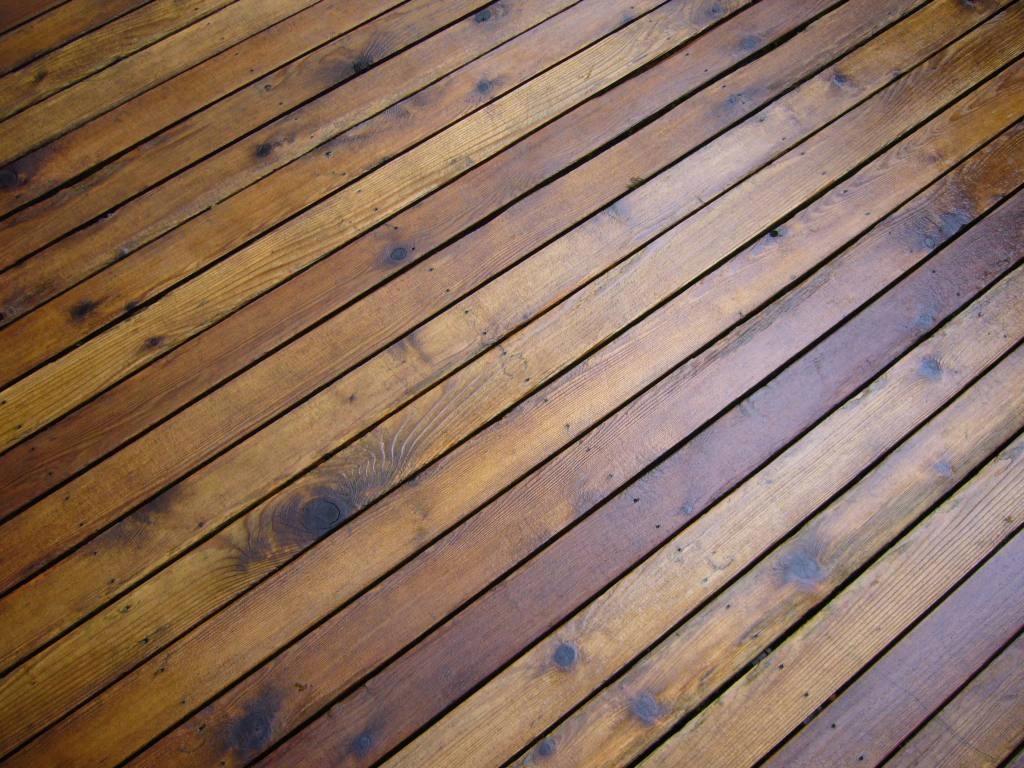
Transparent stains work differently. The color in a quality transparent finish comes from transparent iron oxide pigments — microscopic particles that transmit light rather than blocking it. When transparent iron oxide pigment is applied to wood, light passes through the pigment, reflects off the wood fiber beneath it, and returns to your eye carrying both the color of the pigment and the natural character of the wood underneath.
The wood grain doesn’t disappear. It shows through the color the same way the grain of a fine piece of furniture shows through a coat of tinted oil. The color enhances the wood. It does not replace it.
Transparent Iron Oxide Pigments: Why They Matter
Not all transparent stains are created equal, and the difference almost always comes down to pigment quality. Transparent iron oxide pigments are the benchmark. They are chemically stable, highly UV-resistant, and — critically — they do not cloud or muddy the finish as the product ages the way clay-based pigments do.
The Forest Products Laboratory, which has conducted decades of peer-reviewed research on exterior wood finishing, consistently recommends penetrating oil-based finishes with quality pigmentation as the most effective approach to preserving both the appearance and the integrity of natural wood. Their research forms the foundation of how the wood finishing industry understands finish durability and wood protection.
Leading deck finishing authorities, including TheDeckGuide.com, recommend transparent iron oxide pigments specifically for their ability to deliver lasting color without compromising the natural appearance of the wood. Top brands like Woodrich Brand use transparent iron oxide pigments in their penetrating timber oil formulas — which is one of the reasons their finishes consistently outperform clay-pigmented alternatives in both appearance and longevity.
This is not a small technical distinction. It is the difference between a finish that shows your wood and a finish that obscures it — and that difference holds up year after year rather than fading with the first hard winter.
Color Range and What to Expect
Transparent stains do not offer the full color spectrum that solid stains do. There are no bold navies, no bright whites, no colors that exist independent of the wood beneath them. The palette is natural by design — because the whole point of a transparent finish is that the wood itself is part of the color equation.
What you will find are colors in these families:
- Clear and natural — No added color. Protects the wood and lets its existing tone come through exactly as it is. Best for wood that is already the color you want.
- Warm amber and honey tones — Adds warmth and depth without dramatically shifting the wood’s natural color. The most popular choice for new cedar and redwood.
- Rich browns and teak tones — Deepens the color of lighter wood species and adds a warm, finished appearance that reads as natural rather than painted.
- Driftwood and silver gray toners — Subtle cool tones that complement the natural graying process of wood without the weathered damage that unprotected gray wood accumulates.
The range is narrower than solid stain — and that is exactly right. Transparent stain is not for every deck or every homeowner. It is for the ones who looked at their wood and thought: I want to keep this.
The Penetrating Oil Difference
The best transparent deck stains are penetrating oils, and understanding why penetrating oil works the way it does explains why this finish category outperforms the alternatives for wood that deserves to be seen.
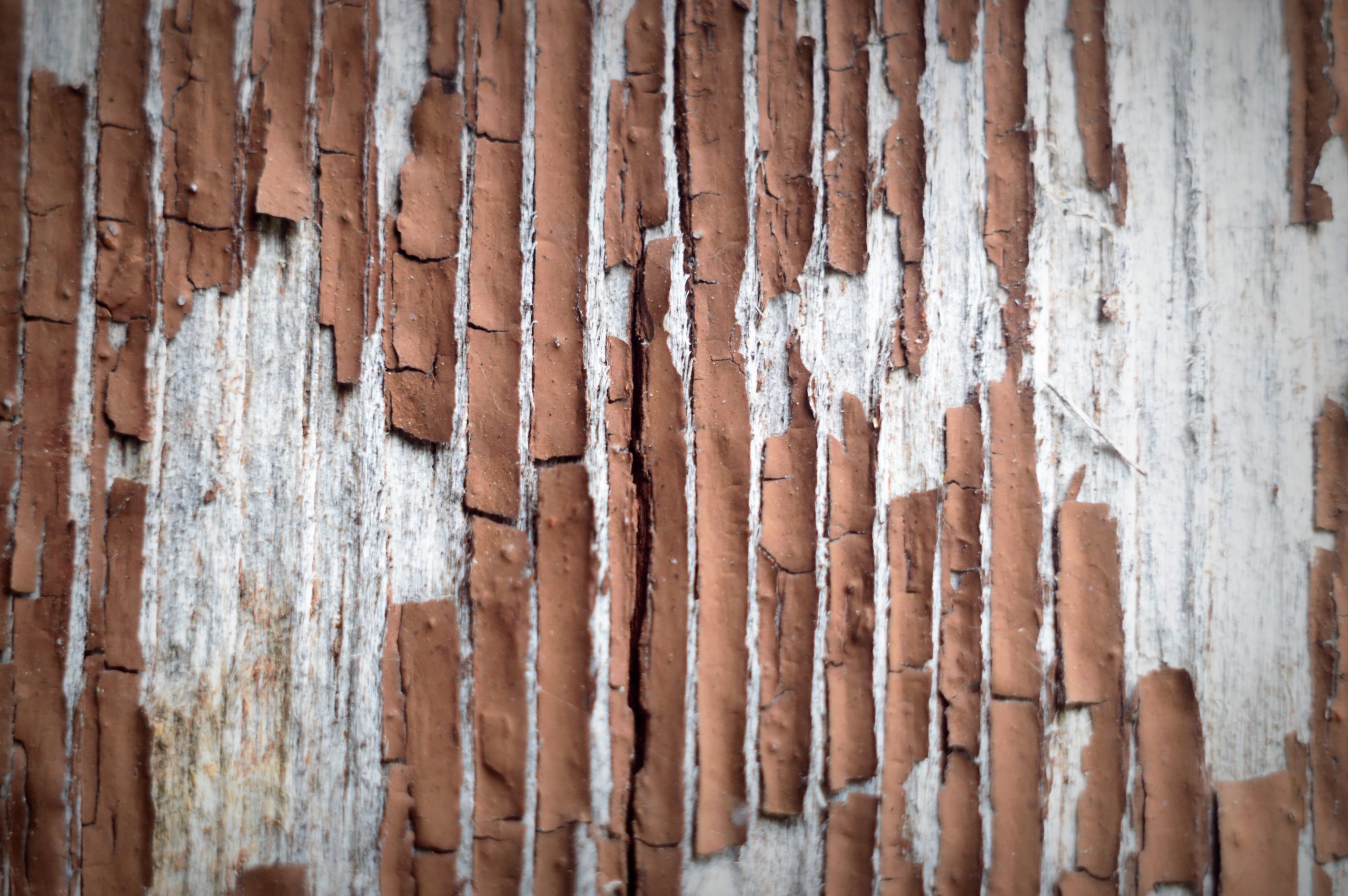
A surface film finish — solid stain, semi-transparent stain, paint — protects wood by covering it. The film sits on top of the wood and takes the punishment of weather, UV, and foot traffic. Over time the film fails. It cracks. It peels. It traps moisture beneath it. And when it fails, the reapplication process requires stripping that failed film back down to bare wood before you can start again.
A penetrating oil does none of those things. It soaks into the wood fiber and protects the wood from within — reinforcing the cell structure, repelling moisture at the source, and feeding the wood rather than sealing it away from the elements. When a penetrating oil finish begins to wear, it doesn’t crack or peel. It simply fades. The wood tells you it’s time for another coat.
Reapplication is the difference that most people don’t consider until they’re standing on a peeling deck with a pressure washer and a weekend gone. With a penetrating oil, maintenance means cleaning the surface and applying a fresh coat. The new oil integrates with what’s already in the wood. No stripping. No scraping. No lost weekends.
Where Transparent Stain Makes Sense
New or Recently Refinished Decks with Quality Wood
Transparent stain is at its best on wood that has something worth showing. New cedar, redwood, ipe, mahogany, teak, and high-quality pressure-treated lumber all have grain character and natural color that a transparent finish enhances rather than conceals. If you are starting fresh with good wood, this is almost always the right direction.
Homeowners Who Want a Natural Appearance Long Term
If your goal is a deck that looks like a beautiful piece of outdoor wood rather than a painted surface, transparent penetrating oil is the only finish category that consistently delivers that result year after year. The color stays true, the grain stays visible, and the maintenance cycle is far simpler than any film-forming alternative.
Anyone Who Has Dealt with a Peeling Deck Before
Once you have stripped a failing solid or semi-transparent finish off a deck, the appeal of a penetrating oil that simply cannot peel becomes very clear very quickly. Experience is an effective teacher on this particular subject.
What to Look for in a Transparent Deck Stain
Not every product labeled “transparent” or “natural” delivers on the promise. Here is what actually matters when you are evaluating a transparent deck stain:
- Transparent iron oxide pigments — Not clay-based pigments, not opaque mineral colorants. Transparent iron oxides are what keep the grain visible and the finish clear as it ages.
- Penetrating oil base — The finish should soak into the wood, not sit on top of it. If the product description emphasizes film formation, it is not a true penetrating finish.
- UV inhibitors — Quality transparent finishes include UV protection built into the formula. Without it, the sun degrades both the finish and the wood beneath it.
- Mildewcides — Exterior wood in most climates is vulnerable to mold and mildew. A quality penetrating oil includes mildewcides as part of the formula, not as an afterthought.
- Simple reapplication — Ask the manufacturer directly: can this be reapplied without stripping? If the answer is yes, that is a penetrating oil. If the answer involves prep work, stripping, or primer, it is a film-forming finish in transparent clothing.
Woodrich Brand Timber Oil checks every one of those boxes. It is a penetrating timber oil built on transparent iron oxide pigments, formulated for exterior wood, and designed to be maintained without stripping. It is the kind of product the research points toward and the kind of product experienced deck owners tend to find after they’ve tried everything else.
If you want to see what it looks like on your own wood before you commit to a full application, that’s exactly what the sample kit is for.
Frequently Asked Questions About Transparent Deck Stain
What is the difference between transparent stain and a clear sealer?
A clear sealer adds no color at all — it simply repels water and protects the surface. A transparent stain adds a small amount of color through transparent pigments while also protecting the wood. Most wood finishing authorities recommend transparent stain over a pure clear sealer for exterior applications because the pigment provides UV protection that a clear sealer alone cannot offer.
Will transparent stain change the color of my deck?
A transparent stain will enhance and deepen the existing color of your wood rather than replace it. A warm amber toner on cedar will make the cedar look richer and more saturated — still cedar, just more so. A natural or clear formula will leave the color largely unchanged while adding protection. The wood’s own character determines the result.
How long does transparent deck stain last?
A quality penetrating timber oil applied to properly prepared wood typically lasts two to four years before needing a maintenance coat, depending on climate, sun exposure, and foot traffic. Because the finish does not peel, the maintenance process is straightforward — clean the surface and apply a fresh coat. The finish does not need to be stripped before reapplication.
Can transparent stain be used on all wood species?
Most wood species accept penetrating oil finishes well. Dense exotic hardwoods like ipe and teak may require light sanding or a specific preparation step to open the grain before application. Some pressure-treated lumber benefits from a waiting period after installation before finishing, allowing the wood to dry and the treatment chemicals to fully cure. When in doubt, test a small area first — which is exactly why sample kits exist.
Why does transparent stain only come in natural tones?
Because the color in a transparent finish works with the wood rather than over it, the achievable palette is determined in part by the wood itself. The transparent pigments shift and enhance the wood’s existing tone — they do not replace it with an independent color the way opaque pigments do. For homeowners who want a bold or non-natural color, solid stain is the appropriate finish. For everyone who wants the wood to look like wood, the natural palette is not a limitation. It is the point.
Sources & References
- U.S. Forest Service — “Wood Handbook: Wood as an Engineering Material” — Forest Products Laboratory, 2021
- Forest Products Laboratory — “Finishing of Wood” — Wood as an Engineering Material, Chapter 16, USDA, 2010
- Forest Products Laboratory — “Weathering of Wood” — General Technical Report FPL-GTR-190, USDA, 2010
- Forest Products Laboratory — “Wood Finishing: Water Repellents, Primers, Stains and Paints” — Research Note FPL-RN-0268, USDA
- American Coatings Association — “Exterior Wood Coatings” — Industry Technical Reference, 2019
- TheDeckGuide.com — “Transparent Iron Oxide Pigments and Why They Matter for Deck Finishing” — TheDeckGuide.com
- Related on this site — “Solid Deck Stain Colors” — DeckStainColors.com
- Related on this site — “Semi-Transparent Deck Stain Colors” — DeckStainColors.com