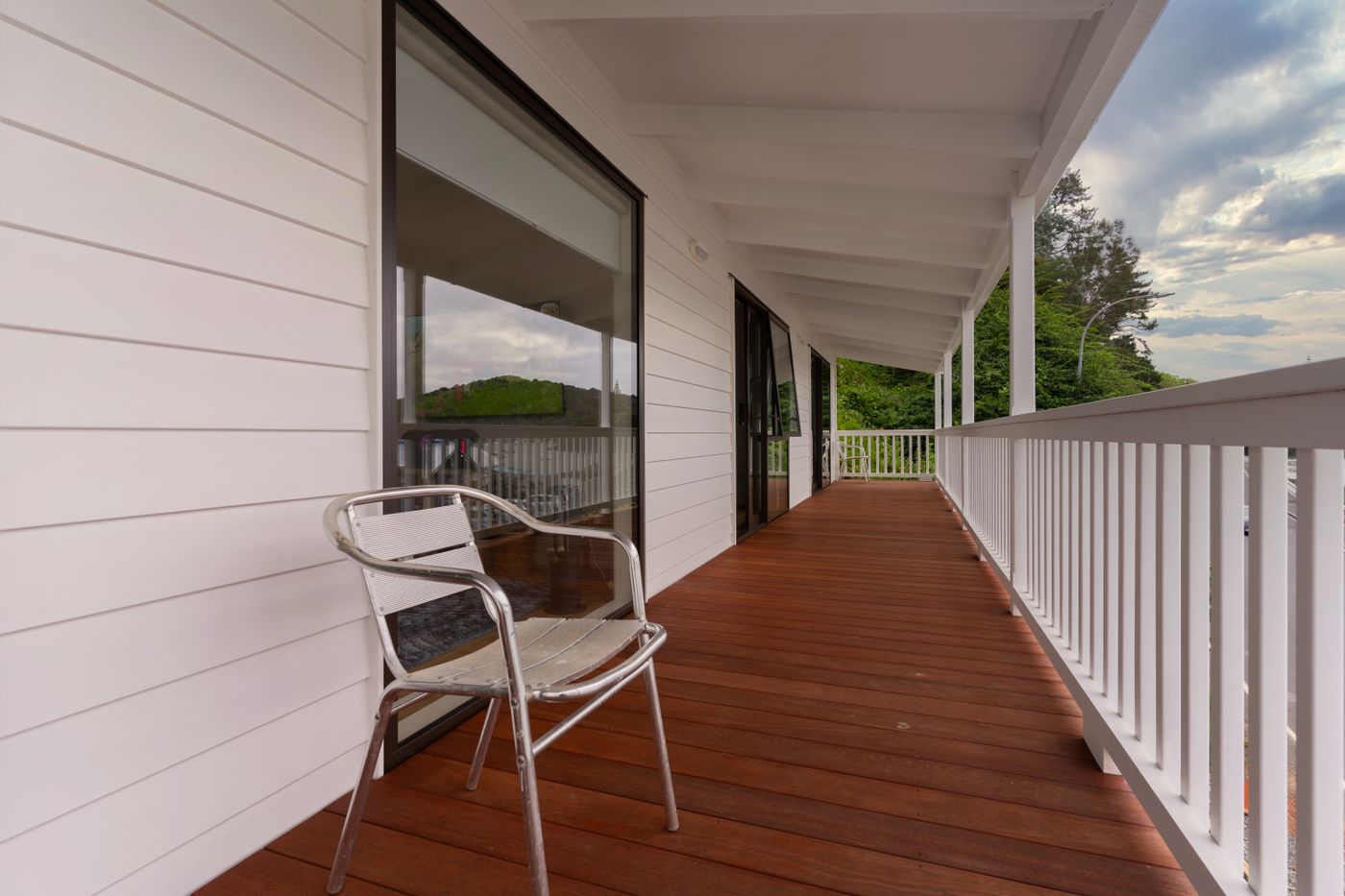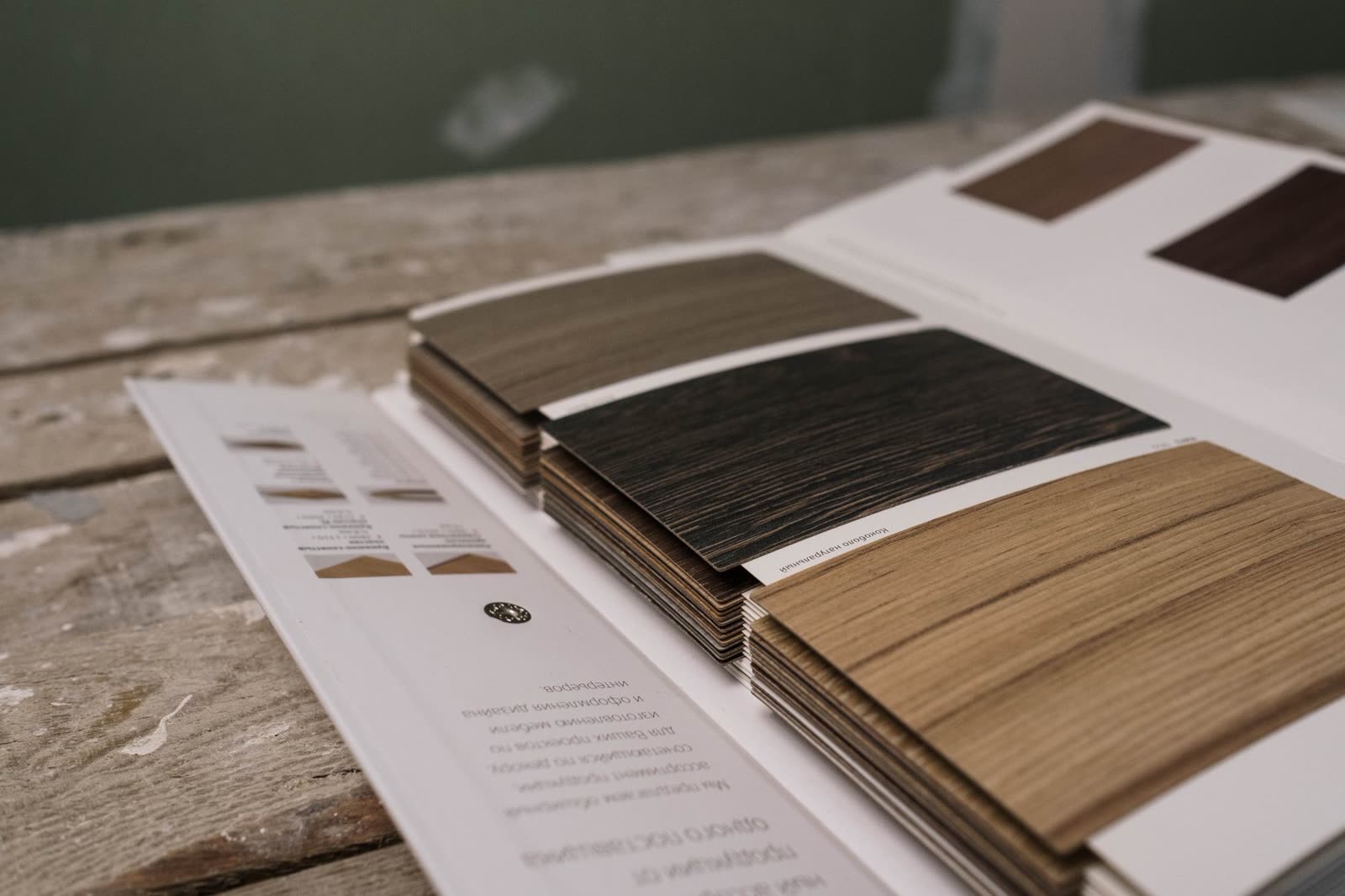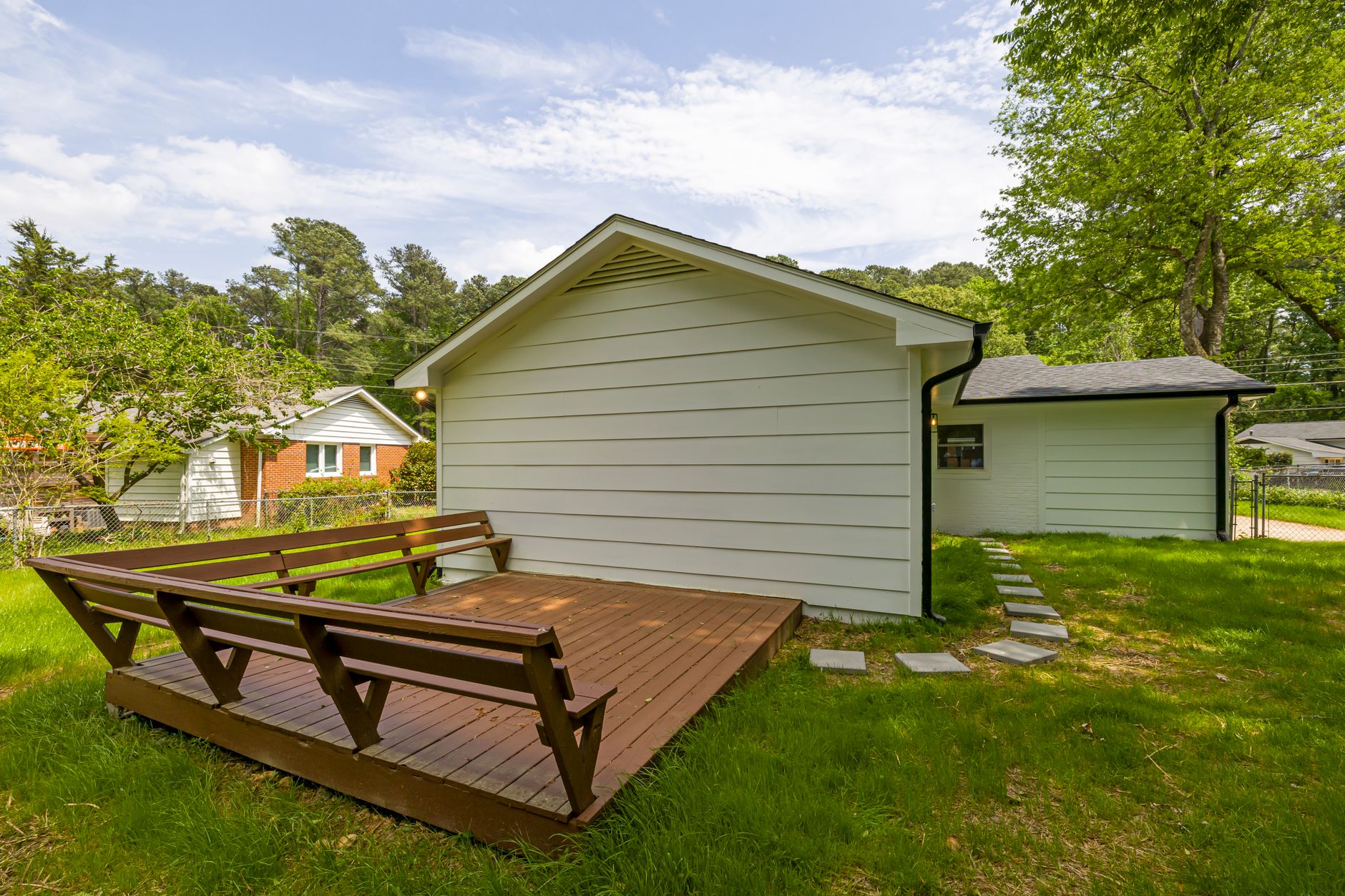

Look at your brick first and decide whether it reads warm or cool. If it reads warm, a deck next to it can go one of two ways. A warm wood tone like cedar, honey or brown stays in the brick’s color family and gives a cohesive, low-contrast look, as long as the stain comes out clearly lighter or darker than the brick. A cooler tone like driftwood or weathered gray does the opposite and balances the brick’s warmth with contrast.
Warm Wood Tones Next to Red Brick
Cedar, honey and brown stains are warm like the brick, which is why they look at home next to it. Cedar and honey stains also carry reddish-orange undertones, though. A red-toned stain that ends up close to the color of your brick blurs the line between the wall and the deck, and the house looks flat.
The way around that is depth. Pick a stain that is clearly lighter or clearly darker than your brick. You can only judge that by testing the stain against your own wall.
Woodrich’s Timber Oil Deep Penetrating Wood Stain covers this warm range. Its colors run from honey gold to rich brown: Warm Honey Gold, Brown Sugar, Amaretto, Western Cedar and Signature Brown, plus a clear called Clear Advantage. Amaretto is a bronzy red, so hold its test board right up against the brick before you choose it. Timber Oil colors can also be mixed, so if one color is too close to the brick and the next is too far from it, try a mix of the two.
Timber Oil soaks into the wood rather than forming a film, and its transparent iron oxide pigments block UV while leaving the grain visible. When it wears, you clean the deck and reapply, with no stripping.
If you lean toward the dark end, keep the sun in mind. Darker stains absorb more heat than lighter ones, and a deep brown deck in full sun can get noticeably warm underfoot on a hot day. Medium tones like cedar and honey stay cooler.
Gray and Driftwood Decks with Red Brick
A cooler deck color works with warm-reading brick through contrast. Warm and cool colors balance each other when they sit side by side, so if your brick reads warm, a driftwood or charcoal deck is the contrast option.
Woodrich makes no grays. For an oil-based penetrating stain in gray, Armstrong-Clark has a Driftwood gray, and TWP makes ten colors plus a clear, grays included. The gray deck stain colors page goes through more of them.
Trim, Siding and the Rest of the House
Look at everything the deck will sit beside, not only the brick. Trim counts because it sits between the wall and the deck. White trim gives a crisp break between brick and deck and is forgiving with warm stains. Black or dark trim pairs with deeper deck colors such as dark walnut or espresso, and black metal railings tie in the same way. Tan, cream or wood-toned trim points toward a warmer deck.
Some decks sit against siding instead of brick. If that siding is cream or tan, honey, cedar and warm brown pair with it too. If it’s gray or white, the grey house guide or the white house guide is the better match.
Test the Stain Against the Brick
People struggle to picture a stain color against brick, and a swatch doesn’t help much. The same stain looks different on pine, cedar and redwood, on new and weathered boards, and in sun and shade. The house and deck also look different together in overcast light than in evening sun. Stain two or three boards with your top colors, let them dry, and look at them with the brick behind them at a few times of day. How to test deck stain colors has the full steps.
For the warm colors, Woodrich’s $15 Timber Oil Sample Color Kit has a 2 oz bottle of each pigmented color, and the $15 comes off a full order. Pairings for other house colors are under how to choose a deck stain color.