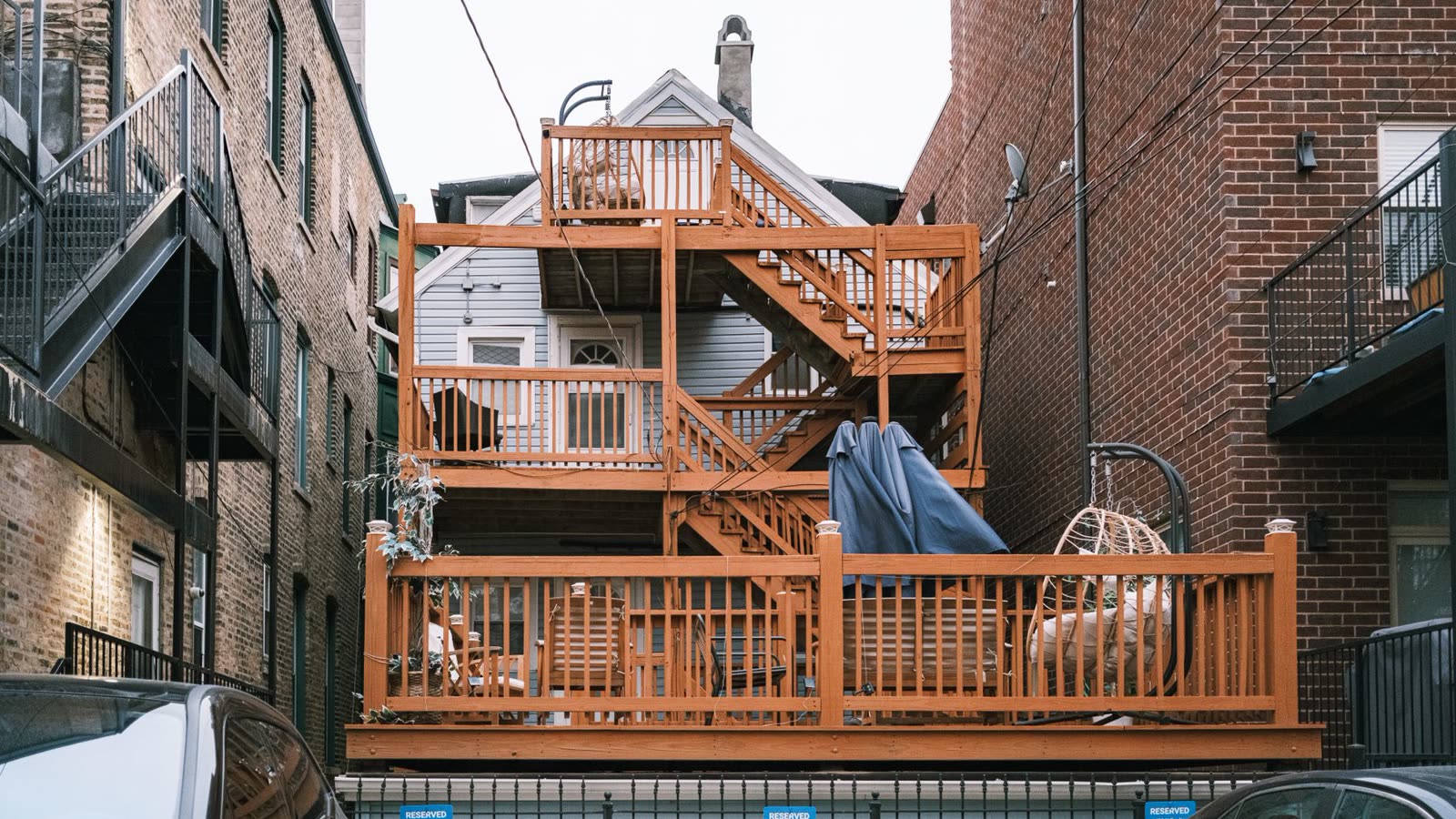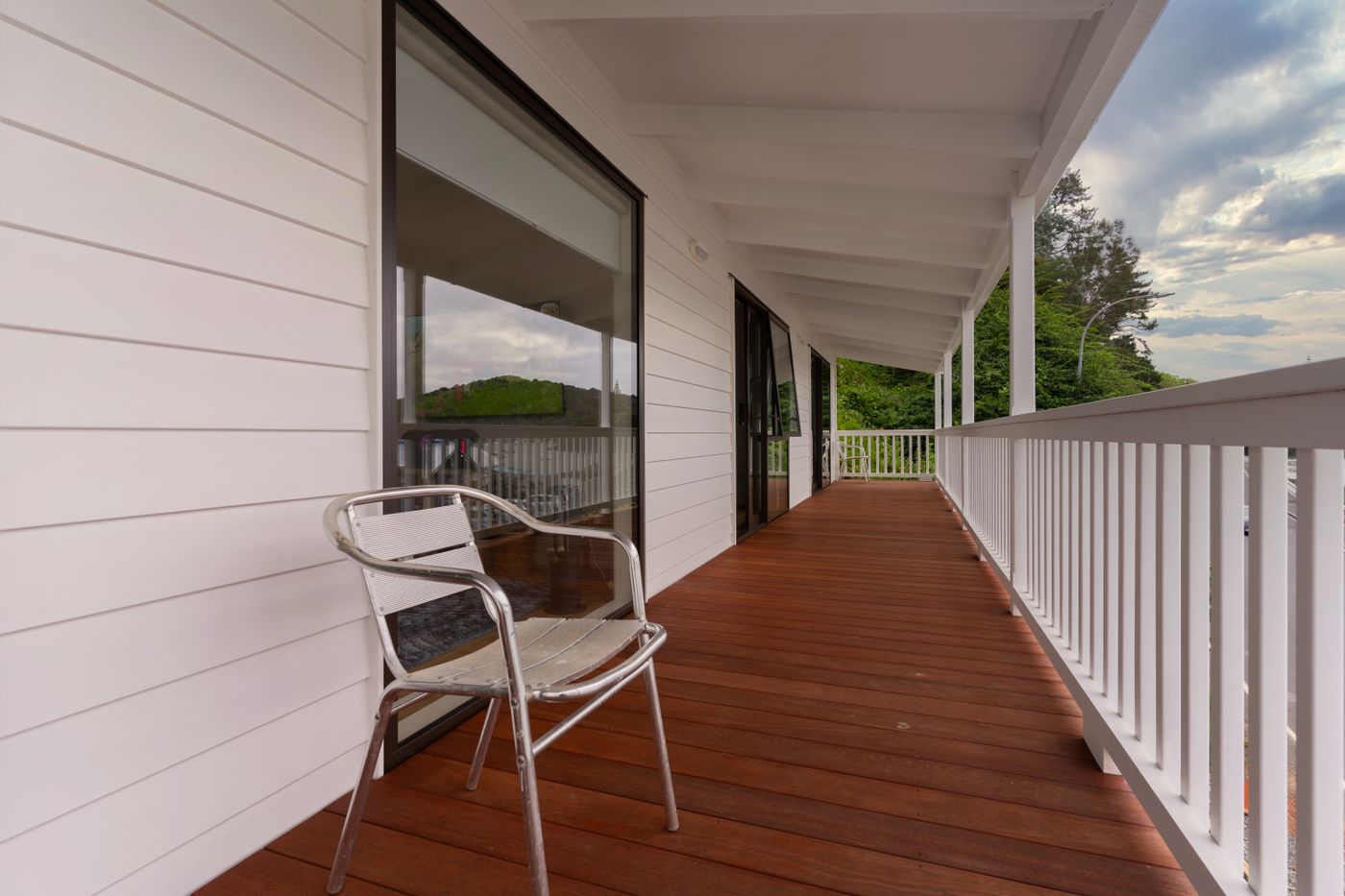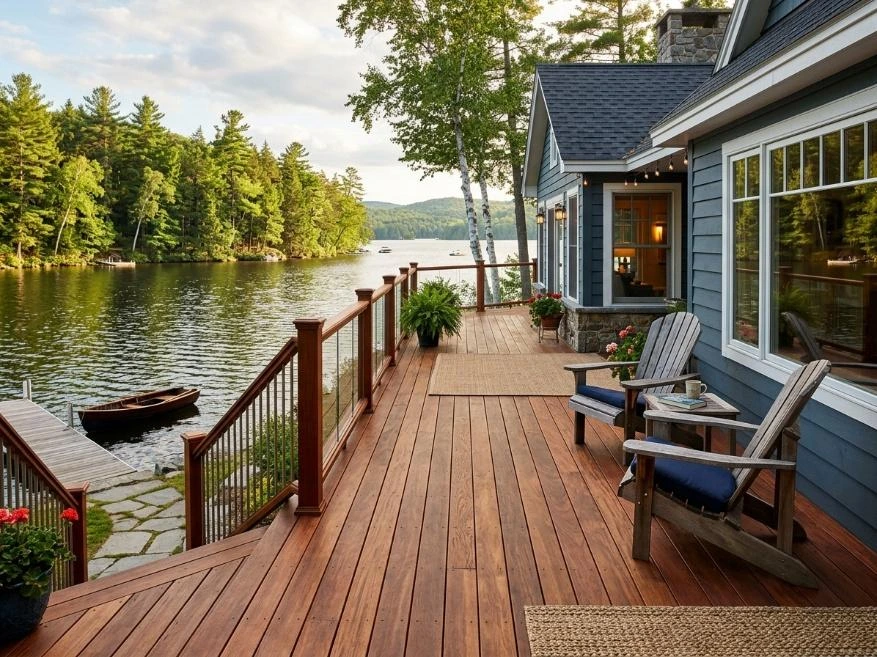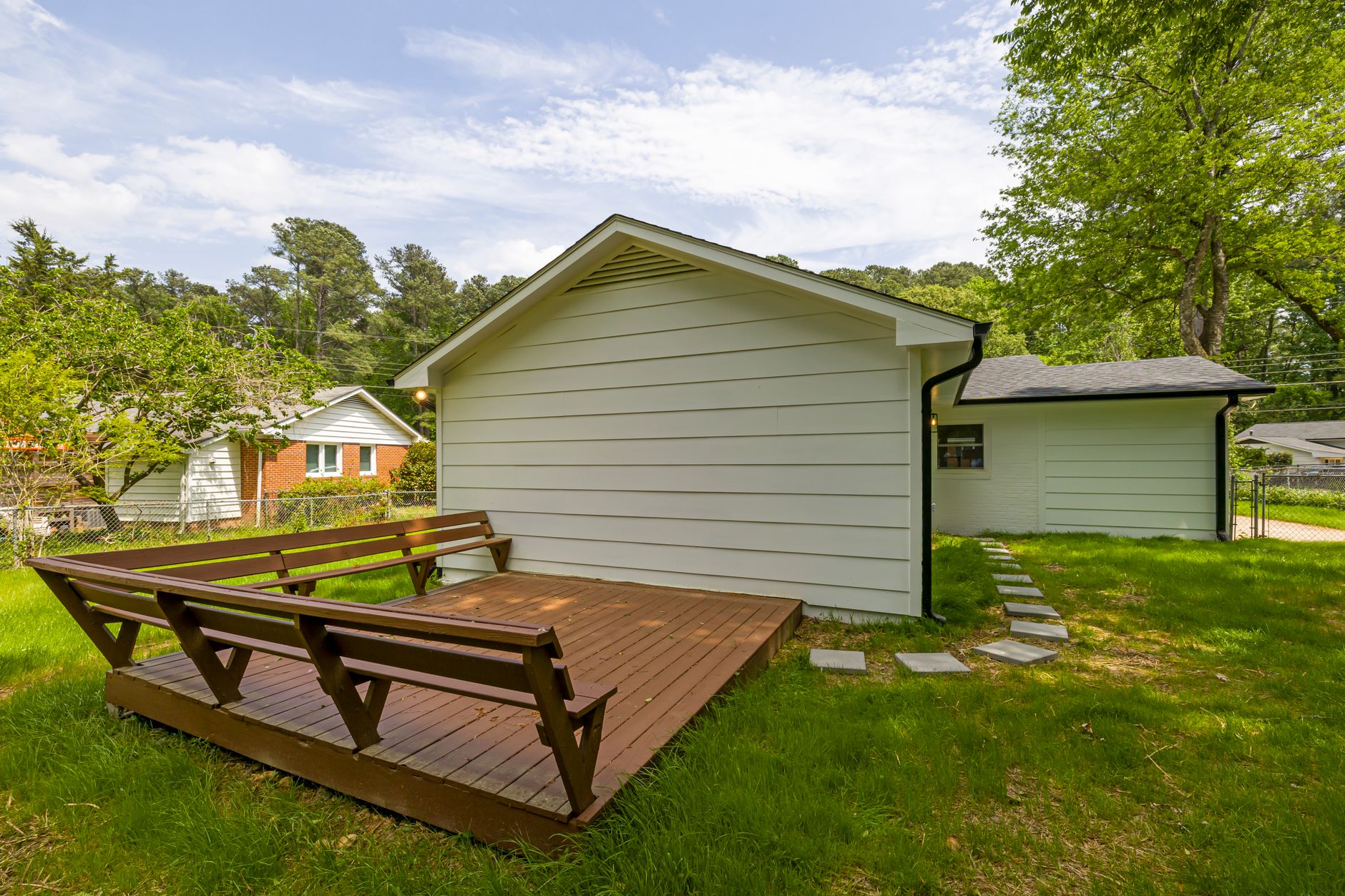
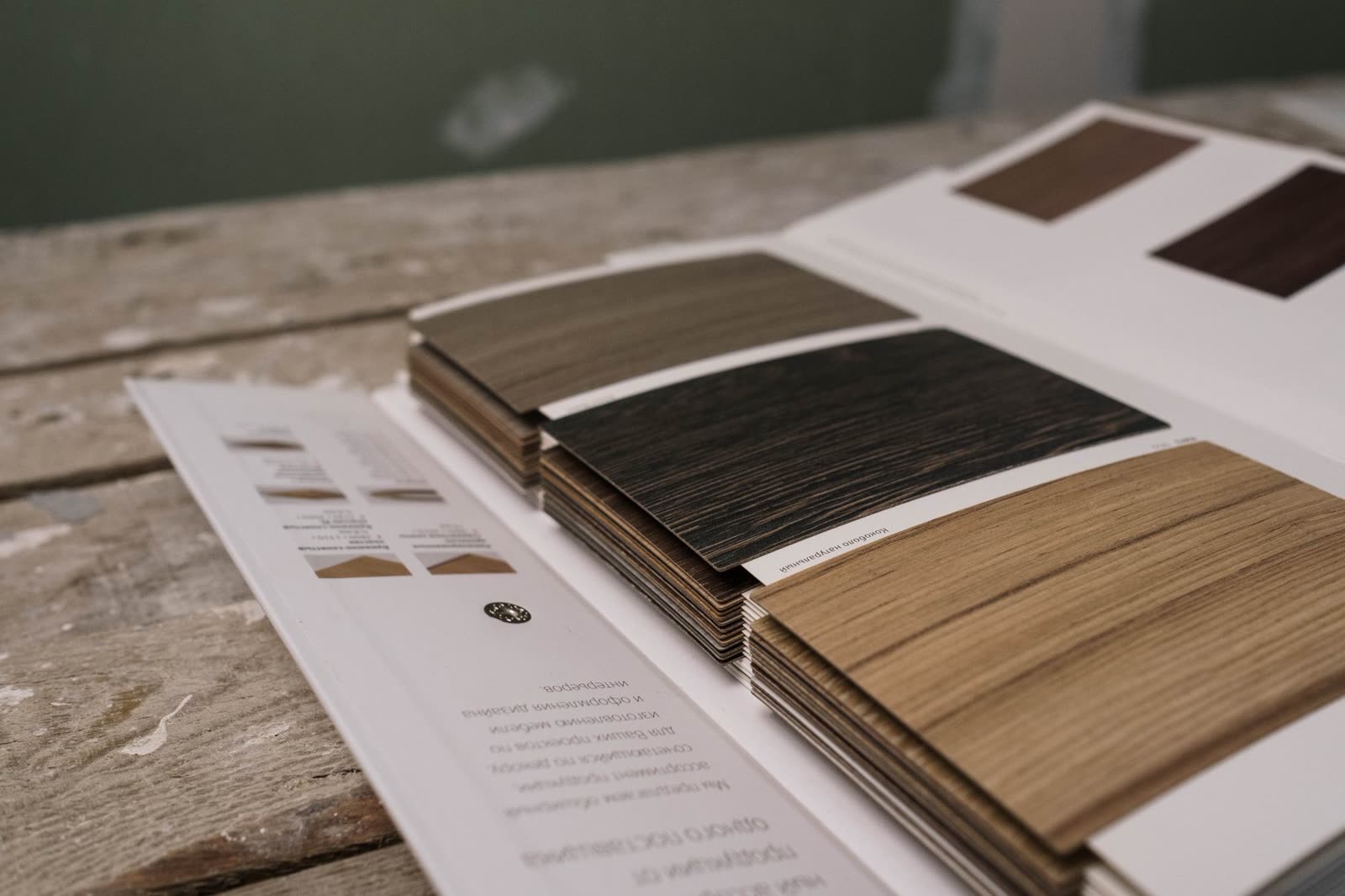
To test a deck stain color, put it on your own deck boards, let it dry, and look at it in different light before you buy the full amount. Stain your top two or three colors on separate boards or out-of-the-way spots, wait 24 to 48 hours, and check them in the morning, in the afternoon and on an overcast day.
Why the Chip Doesn’t Match Your Deck
A color chip, a website swatch and a photo of someone else’s deck all show the stain on wood that isn’t yours. The same stain looks different on pine, cedar and redwood, and on new versus weathered boards. A cedar tone can turn yellow or green on pressure-treated pine and red on cedar. Photos are also shot in different light, and morning sun, afternoon shade and wet wood all change the color again.
How to Test a Deck Stain Color
- Narrow it to two or three colors. If you don’t have a shortlist yet, the guides under how to choose a deck stain color cover pairings with gray, white and brick houses.
- Pick the test boards. Use separate boards on the deck or spots people don’t look at. Each species takes color differently, so if the railings and the floor are different woods, test on both.
- Clean the test spots first if the wood is gray. Bleach-based cleaners lighten gray fibers but leave them on the surface, and those fibers change how the stain takes. A sample over them won’t match a deck that’s been properly cleaned.
- Let each sample dry for 24 to 48 hours. Wet stain looks darker and richer than it will once it dries, so don’t judge it the same day.
- Look at it in different light. Check the samples in the morning, in the afternoon and under an overcast sky, with the house in view. The deck and the siding look noticeably different together in flat overcast light than in warm evening sun.
Where to Get Deck Stain Samples
For warm wood tones, Woodrich sells a $15 Timber Oil Sample Color Kit with five 2 oz bottles, one of each pigmented color: Warm Honey Gold, Brown Sugar, Amaretto, Western Cedar and Signature Brown. The $15 is credited toward a full order. Timber Oil is made for softwoods such as cedar, pressure-treated pine, cypress and redwood.
For ipe, teak, mahogany and other dense hardwoods, Woodrich has a separate $15 Hardwood Wiping Stain Sample Kit. The hardwood deck guide covers other brands too.
Woodrich makes no gray and no solid stain, so its kits won’t help if that’s what you’re testing. Buy the smallest size the brand sells instead. Cabot, Behr, Olympic and Ready Seal all sell quarts. Cabot and Ready Seal carry grays, and Cabot, Behr and Olympic make solid stains.
Testing on a New Pressure-Treated Deck
Fresh pressure-treated lumber has a green tint from its copper preservatives. The tint fades as the wood dries and weathers, often within a few months. A honey tone tested on new boards can look slightly off at first and then shift as the green fades, so expect a test on a brand-new deck to change. The pressure-treated wood guide covers color choices for that wood.
If Your Deck Already Has a Finish
A penetrating stain sample only tells you something on wood it can soak into. It can’t go over a solid stain or paint until that film is completely removed, so a test patch on a painted or solid-stained deck won’t show you the real color. The solid deck stain colors page explains what that film means for your options.
If you aren’t sure what’s on the deck, look at how it’s wearing. Bare gray wood, an old oil stain that looks chalky and dull and is wearing evenly, and a film that’s flaking, lifting or shiny in spots all need different prep. Woodrich’s founder, Russell Cissell, answers the Project Support Hotline at (636) 288-8512. Text him a photo of the deck and he’ll tell you what’s on the wood, what to use and how much to order. If the deck has a thick resurfacer like Behr DeckOver or Olympic Rescue It, send that photo before you buy anything.
Can You Mix Two Stain Colors?
You can mix Timber Oil colors to get a custom color. If two samples each look close but neither is quite right, mix a little of both and test that as well.