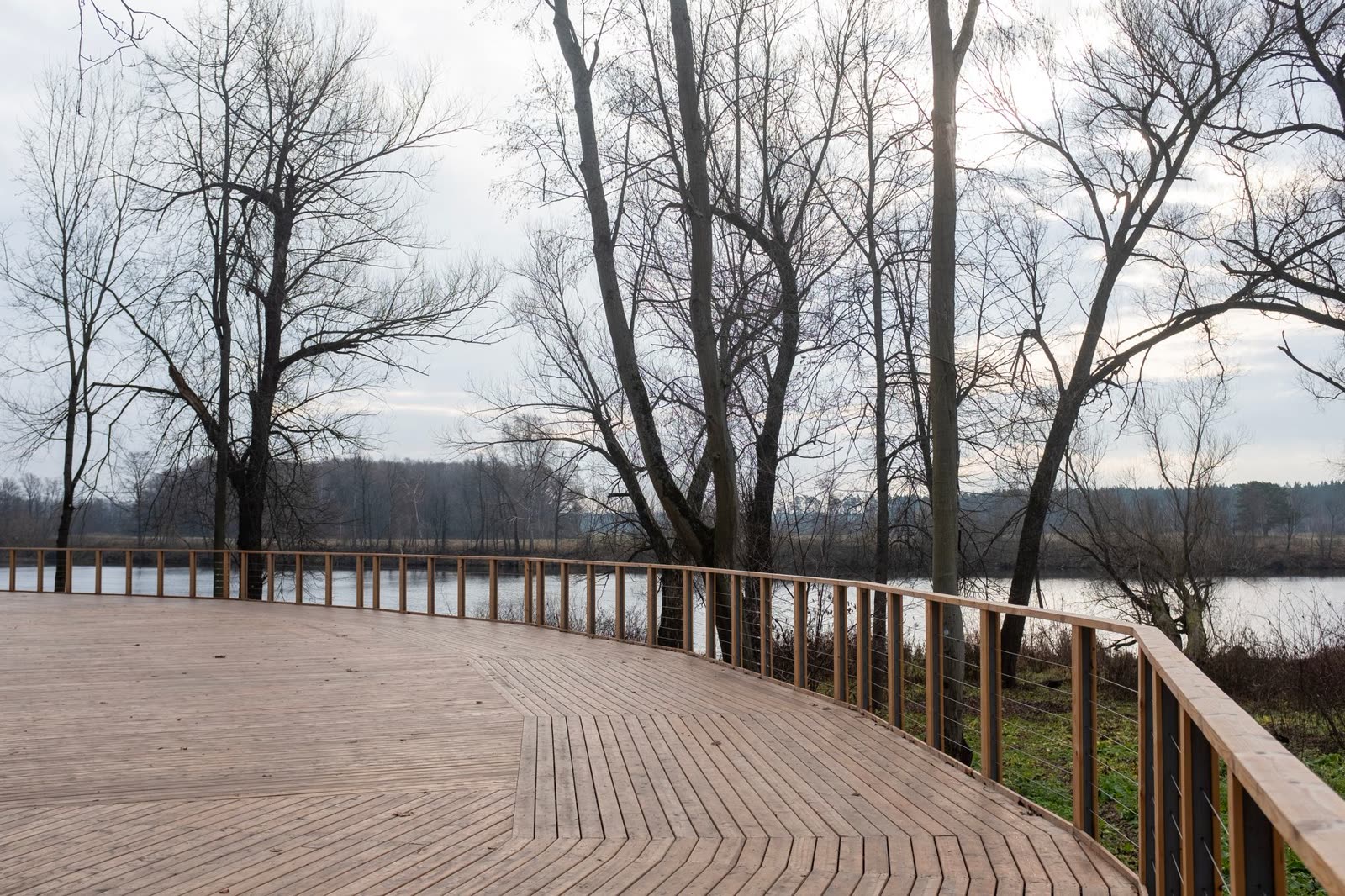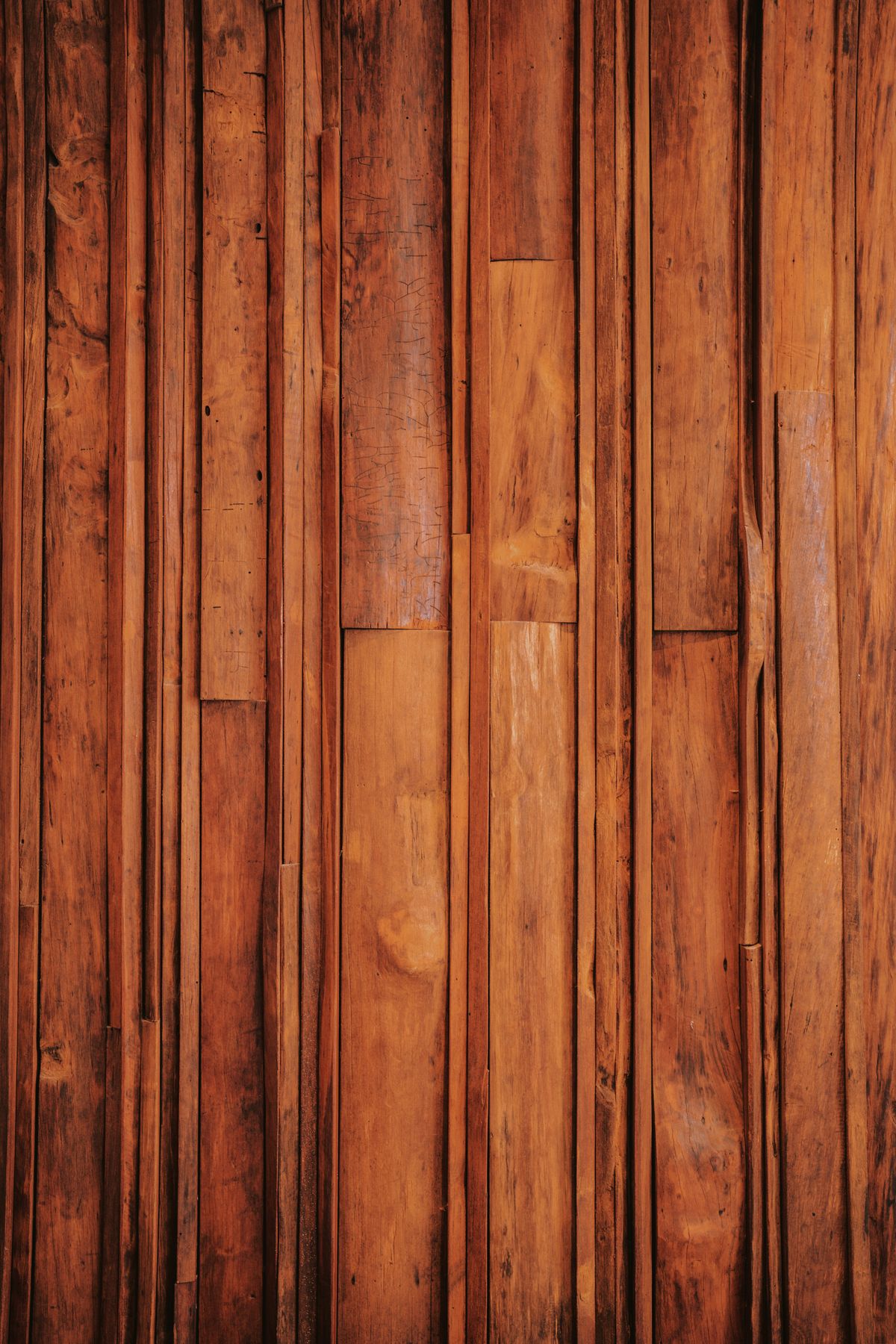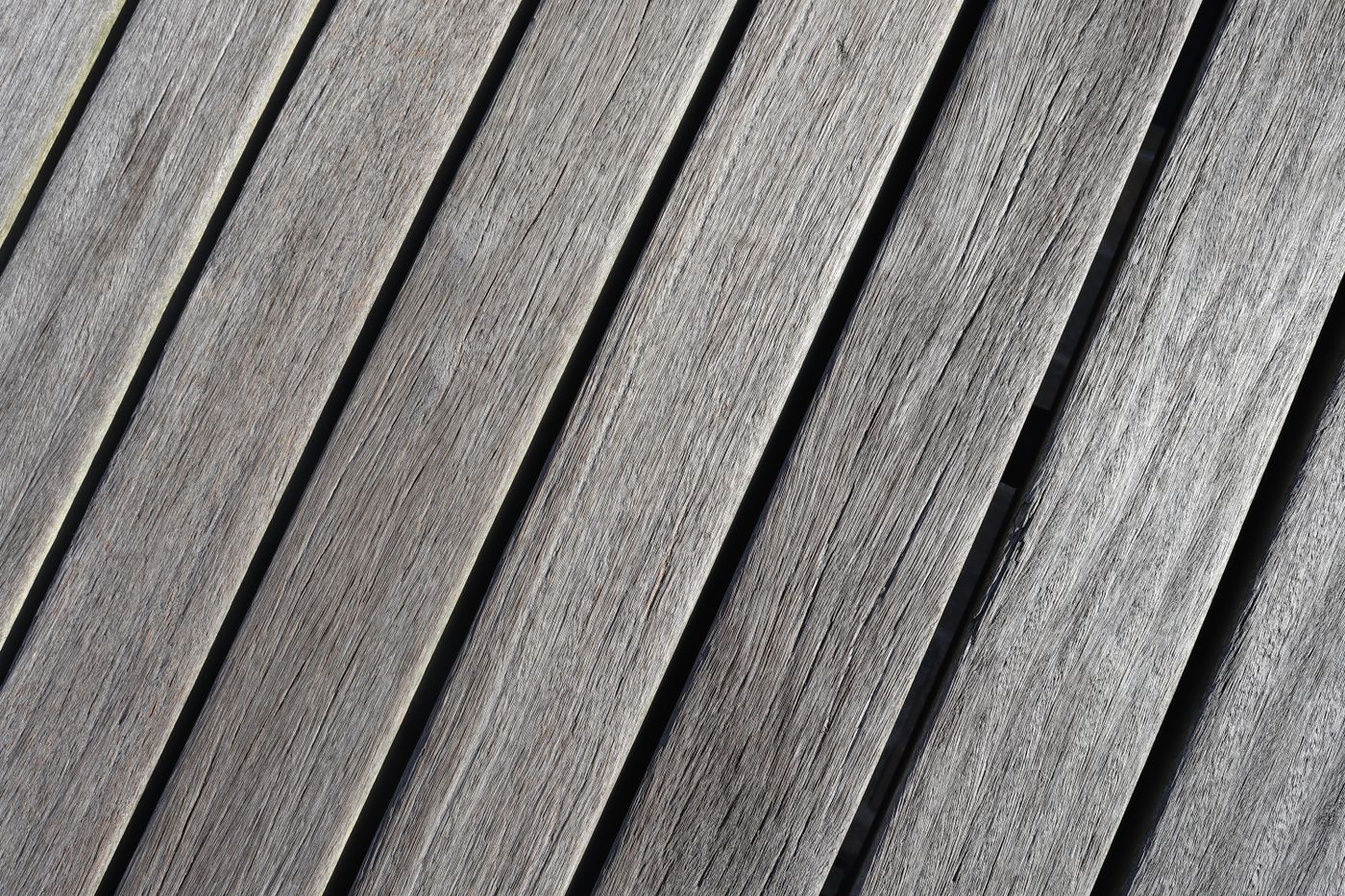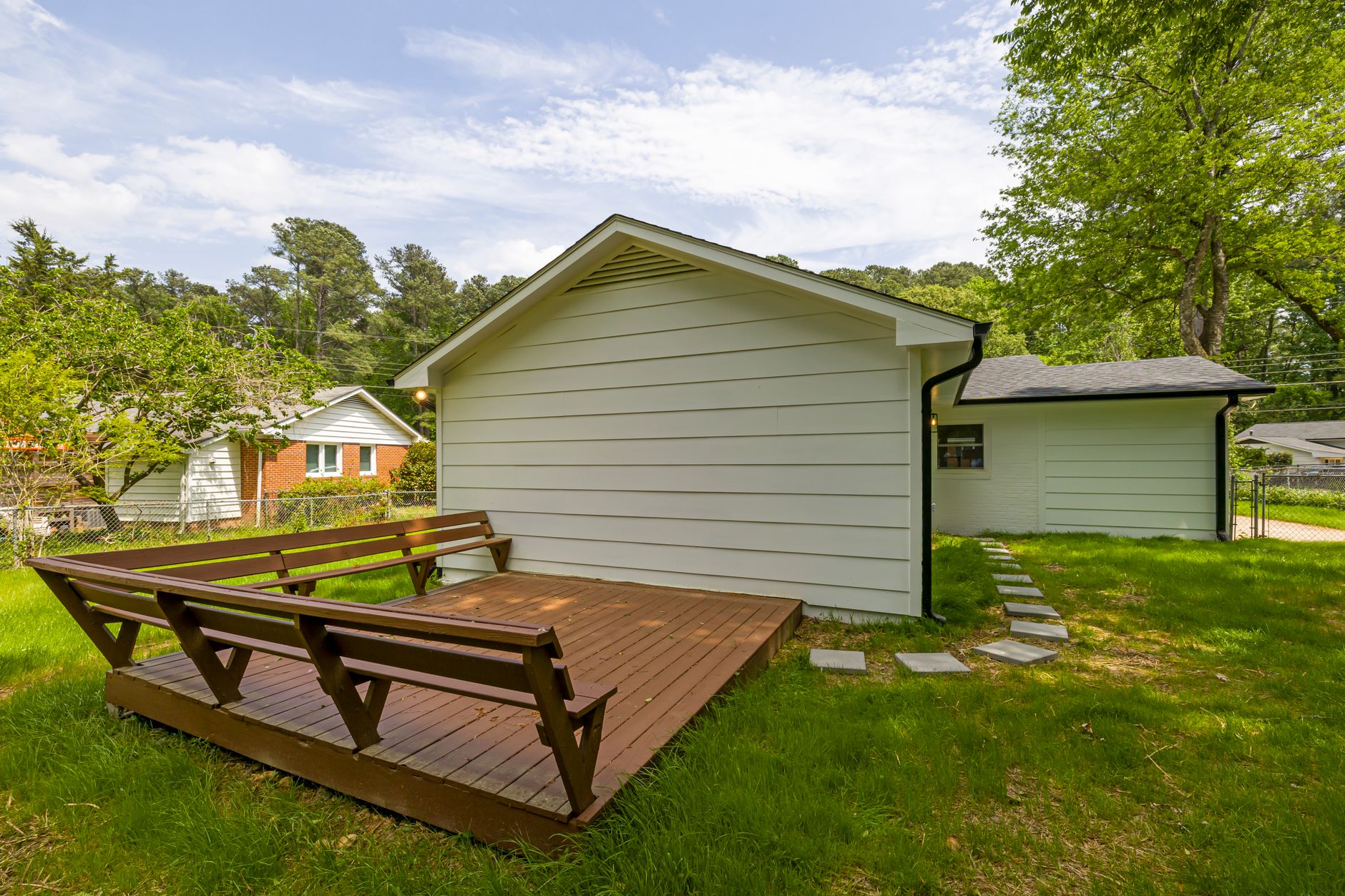
The best deck stain colors for cedar are warm ones: honey, amber and cedar tones in a penetrating stain that leaves the grain visible. Amber and honey are the most popular choice on new cedar, because they add warmth without changing the wood’s own color much. Cedar does change how a stain looks, though, so test two or three colors on your own boards before you buy enough for the whole deck.
Deck stain colors that suit cedar
Start from the look you want, then pick the color and the kind of finish that gets you there.
| The look you want | What to choose | What to know first |
|---|---|---|
| Cedar’s own color, a little deeper | A honey or amber tone | The most popular choice on new cedar |
| A warmer, more orange deck | A cedar or redwood tone | It will look redder on your boards than on the swatch |
| A darker deck that still shows grain | A brown in a stain made with transparent iron oxide pigment | The type of pigment, not the amount, decides how much grain you see |
| Gray or driftwood | A brand that makes grays | Not every brand makes gray |
| No color change | A clear finish | It gives very little UV protection |
| One even color with no grain | A solid stain | It forms a film that has to be stripped off before you can go back to a penetrating stain |
Why a cedar-tone swatch looks redder on your deck
A stain’s color on the deck is the pigment plus the wood under it. Light passes through the pigment, bounces off the wood, and comes back carrying both colors. That is why the same can looks different on different boards. A cedar-tone stain tends to turn red on cedar. On pressure-treated pine the same color goes yellow or green, which is why the pressure-treated wood guide gives pine its own advice. Other species get their own guides under deck stain colors by wood type.
Light and moisture shift the color too. A stain looks different in morning sun than in afternoon shade, and wet wood looks different from dry wood. A swatch card or a photo online can’t show you any of that, so the only reliable preview is a sample on your own deck.
Will a clear finish keep cedar from turning gray?
A clear finish will not keep cedar from turning gray. Without pigment to block the sun’s UV, the wood grays under a clear finish. Transparent iron oxide pigments are ground fine enough to block UV while still letting you see the wood. A light honey or amber tone made with them keeps cedar close to its own color and still protects it. The transparent deck stain colors guide explains this kind of finish in more detail.
Should you use a solid stain on cedar?
A solid stain is a poor match for a cedar deck you want to look like wood. It hides the grain under one even layer of color and sits on the surface as a film. On a deck, a film cracks and peels, because it can’t flex as the wood moves. A USDA technical report, GTR-106, says opaque stains should not be used on decks.
Once a solid stain is on, you can’t switch to a penetrating stain until the film is completely removed. If you need one even color anyway, for example on a deck whose boards no longer match, the solid deck stain colors guide explains that category.
How to get a gray cedar deck
A gray or driftwood look means choosing a brand that makes gray, and some don’t. Woodrich’s colors, for one, stop at brown and clear. Armstrong-Clark makes an oil-based penetrating stain that includes a Driftwood gray. TWP makes ten colors plus a clear, and several of them are grays. Gray tones have their own gray deck stain colors guide.
How to test a stain color on your cedar
Test before you buy for the whole deck. Brush two or three colors onto spare boards or a spot nobody looks at. Let each sample dry for 24 to 48 hours before you judge it, because wet stain looks darker than it will once it dries. Then look at the samples in morning light, in afternoon light and on an overcast day. There is more on this in the guide to testing deck stain colors.
Woodrich Timber Oil on cedar
For a warm, natural tone on cedar, Woodrich’s Timber Oil Deep Penetrating Wood Stain is one to sample. It is a 100% oil-based stain made for softwoods, cedar among them, and its color comes from transparent iron oxide pigments, so the grain stays visible. Timber Oil comes in six colors: Warm Honey Gold, Brown Sugar, Amaretto, Western Cedar, Signature Brown and Clear Advantage. The colors can be mixed for a custom tone, and all of them dry to a flat finish.
Timber Oil soaks into the wood fibers and leaves no film on the surface, which is why Woodrich guarantees it not to crack or peel. Keeping it up means cleaning the deck and putting on another application, with no stripping.
Woodrich gives Timber Oil’s coverage as 150 sq ft per gallon. That is a conservative figure based on aged, rough cedar, and smooth or new boards cover more. The Timber Oil Sample Color Kit costs $15 for five 2 oz bottles, one of each pigmented color, and the $15 is credited toward your full order.